
Upper & Mid Back Pain Treatment in Delhi
Upper back pain and middle back pain can make it uncomfortable to sit, work, exercise, sleep and carry out other normal daily activities. The pain may occur following an injury, as a consequence of an underlying spinal problem, or build gradually due to posture or muscle strain. The treatment should depend on the source and severity of the symptoms, thus it is vital to know what the likely cause is.
Confused about your MRI report?
Upload your MRI for expert spine opinion.
What is Upper & Mid Back Pain?
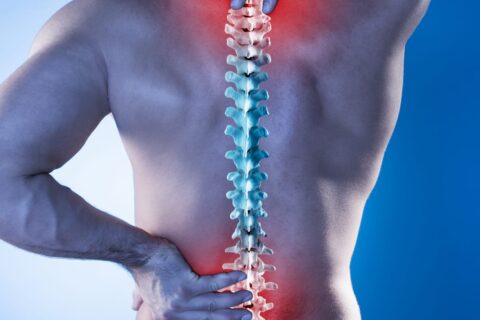
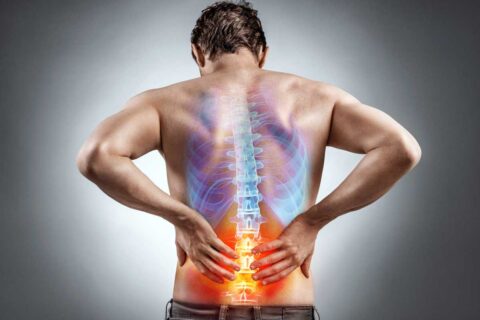
Upper and middle back pain is pain experienced in the area from the bottom of the neck to the lowest point of the ribcage. This area is referred to as the thoracic spine, which is the middle section of the spine and is attached to the rib cage. The thoracic spine is sturdier and less flexible compared to the lower back.
Lower back pain is related to the lumbar section while upper and middle back pain is connected with the thoracic section. Muscles, joints, spinal discs, ligaments, posture and other elements of the spine can be a source of discomfort.
Upper and middle back discomfort might be due to muscles, joints, spinal discs, nerves or posture related disorders in the thoracic spine region.
Sometimes there might be irritation or compression of a spinal nerve and symptoms can radiate out of the back. Pain may radiate to the shoulder, chest, or other places depending on what structure is impacted. Persistent pain, worsening pain, or unexplained pain should be investigated to find the source.
Symptoms of Upper & Mid Back Pain
The discomfort in your upper and middle back can be varied depending on the reason for it. Signs and symptoms can include:
- Mid back pain
- Stiffness in the upper or middle back
- Aching, scorching or stinging pain, dull
- Muscle spasms or stiffness
- Pain that gets worse after sitting for lengthy periods of time or with particular movements
- Pain that extends into the shoulders, arms, chest, or other places
- Pain, tingling or numbness if nerves are implicated
- Limited mobility or difficulty moving the upper back
The symptoms vary on whether the pain is muscular, spinal or neurological in origin.
If there is a problem with movement, difficulty breathing or incontinence of bladder or bowels, the problem needs to be seen by a Mid Back Pain Doctor Delhi urgently.
Causes of Upper & Mid Back Pain
There are several reasons that upper and middle back pain might occur. It would be easy to come up with an effective solution if you know the cause of the problem.
Poor Posture
Prolonged sitting, poor workstation design, inadequate posture and forward head posture are contributing factors to excess stress on the muscles and structures of your upper and middle back. Ergonomics is especially important if you work for several hours at a desk.
Muscle Strain
Overuse of the upper back muscles, heavy lifting, repetitive activities, and rapid motions can strain the muscles and supporting structures. Pain might also result from sports activity or improper lifting practices.
Spinal Disc Problems
Disc degeneration and herniation may develop in the thoracic spine but is less prevalent than in the lower back or neck. A bulging or herniated disc may irritate or compress a neighbouring nerve and cause pain or other neurologic symptoms .
Spinal Degeneration
Spinal discs and joints can undergo age-related alterations. One disease that might be causing you pain and stiffness between your shoulder blades is osteoarthritis.
Injuries
Muscles, tendons, vertebral discs or vertebrae may be hurt due to falls, sporting accidents, car accidents or other kinds of trauma. It is necessary for you to see a Upper Back Pain Specialist Delhi if you have a fracture or some serious damage.
Other Spinal Conditions
Upper and mid back discomfort can also be connected with spinal stenosis, arthritis, scoliosis, kyphosis or other abnormalities with the alignment of the spine. Less frequently, sources of thoracic pain other than the spine may be present, and persistent or unexplained symptoms should not be self-diagnosed.
Diagnosis of Upper & Mid Back Pain
The correct diagnosis starts with learning the patient’s symptoms, medical history, previous injuries and daily activities. A Back pain specialist in Delhi may employ a variety of different methods to identify the source of discomfort.
Clinical Evaluation
Assessment could include:
- Review of prior injuries and medical background
- Assessment of pain location, duration and severity
- Physical exam
- Analysis of posture and movement
- Strength, feeling and range of motion testing
- Neurological examination if nerve involvement is detected
X-Ray
An X-ray can be useful for looking at the bones, the alignment of the spine and some structural alterations. It may also be useful if a fracture or aberrant curvature is suspected.
MRI Scan
Magnetic resonance imaging (MRI) makes detailed pictures of the soft tissues of your body. It may be used to assist diagnose disc problems, nerve compression and other disorders involving the spine.
CT Scan
In certain circumstances, a CT scan may be indicated, which offers detailed images of the bony structures of the spine.
Nerve Tests (EMG/NCS)
Electromyography and nerve conduction investigations may be considered if symptoms imply nerve involvement. The studies are based on the results of the clinical assessment.
Upper & Mid Back Pain Treatment in Delhi
Upper Back Pain Treatment Delhi relies on the causes, length, intensity, neurological involvement and influence on everyday activities. Conservative management is the first step for many patients, while other spinal problems may require further intervention.
Non-Surgical Treatment Options
Medications
The diagnosis and individual medical history will guide certain drugs that can be suggested to help control pain and inflammation. They should be taken on appropriate medical guidance.
Physiotherapy
Physiotherapy can help improve movement, flexibility, muscle strength and posture. Physiotherapy may include stretching exercises, muscle strengthening activities and movement exercises to promote proper spinal mechanics.
Exercise and Rehabilitation
A well-designed rehabilitation program will aid in the development of muscles in the upper back region and enhance movement. Do not conduct the exercises before evaluation. The exercises should be picked according to the person’s condition.
Lifestyle Modifications
Some alterations that might assist with recovery are ergonomic modifications at work, improvement of posture, taking breaks to move around, maintaining appropriate weight, and slowly resuming physical activity.
When is Surgery Required for Upper & Mid Back Pain?
Surgery is rarely needed for discomfort in the upper and middle back. This may be indicated in cases where a specific structural condition cannot be properly controlled by nonsurgical management or in the presence of considerable neurological involvement.
Surgical consideration may involve (depending on the underlying disease):
- Significant or severe nerve compression
- Progressive neurological weakness
- Spinal instability
- Refractory symptoms despite proper conservative therapy
- Correctable structural abnormalities of the spine
Many cases of upper back pain and middle back pain can be treated without surgery, yet it is important to seek professional help when the pain persists or becomes neurological in nature.
Upper & Mid Back Pain Treatment Options
Minimally Invasive Spine Procedures
Minimally invasive methods can be appropriate for some conditions of the spine if surgery is required. These techniques use tiny access points and are designed to minimise disturbance to the surrounding tissues. Depending on the surgery and individual condition, this may help to make recuperation more comfortable.
Nerve Decompression Procedures
If a disc or similar structural condition compresses a spinal nerve, a decompression operation may be undertaken to relieve pressure on the nerve. The technique will depend on where the compression is and why it is happening.
Other Advanced Treatments
In suitable clinical situations selected patients may benefit from targeted injections or other interventional therapies. Rehabilitation and remedial physiotherapy can also be an important part of treatment for Upper back pain relief in Delhi before or after intervention. The treatment should always be directed to the underlying diagnosis and not to the pain alone.
Recovery After Upper & Mid Back Pain Treatment
Results depend on the cause, severity of the condition, and the treatment received. The cautious program will help the patient gradually recover from the problem as the pain disappears and strength returns.
Physiotherapy can be used to regain movement and to tone the surrounding muscles. Correct posture and ergonomic changes will prevent unnecessary strain on the spine. Patients are encouraged to gradually return to work, exercise, lifting and other activities as tolerated per their clinician’s instructions.
Preventive exercises, regular movement, proper workstation arrangement and follow up sessions as necessary help maintain long term spine health.
Frequently Asked Questions (FAQs)
What causes upper and middle back pain?
Common causes include poor posture, muscle strain, overuse, traumas, disc issues, spinal degeneration, arthritis and specific spinal alignment abnormalities.
What are the symptoms of upper back pain?
Symptoms may include soreness between shoulder blades, stiffness, tight muscles, aching or acute pain, limited movement and, when nerves are implicated, tingling or numbness.
Can poor posture cause upper back pain?
Yes. Sitting for lengthy periods of time, slouching, forward-head posture and poor workstation ergonomics can cause extra stress on the upper and middle back.
Can upper back pain be treated without surgery?
Many instances can be initially handled without surgery by adequate medication, physiotherapy, exercise, rehabilitation and lifestyle improvements.
When should I see a spine specialist for upper back pain?
If the pain persists, worsens, interferes with your regular activities, or is associated with numbness, tingling, weakness, difficulty walking, or other worrying symptoms, seek medical assessment.
Can a slipped disc cause upper back pain?
A thoracic disc herniation may produce upper or middle back pain and may also irritate a neighbouring nerve. Disc disorders in the neck or lower back are far more common than thoracic disc problems.
How long does upper back pain take to recover?
Recovery depends on the cause, severity, general health and treatment. Muscle-related pain may respond to conservative care, but pain caused by an underlying disease of the spine may require a more particular approach.
What exercises help with upper and middle back pain?
Exercises that increase thoracic mobility, posture, flexibility and strength of supporting muscles may be beneficial. But the selection of workouts should be based on the diagnostic and the physical state of the person.
Who is the best doctor for upper back pain treatment in Delhi?
The right Mid back pain doctor in Delhi is a competent spine expert who can analyse the origin of your symptoms, determine if investigations are needed and provide a suitable treatment strategy based on your condition.
Doctor Expertise – Dr. Sudeep Jain
Dr. Sudeep Jain is one of the most skilled and experienced Spine Specialist and Surgeon in New Delhi, India. Dr Sudeep has considerable experience in treating patients suffering from numerous spine problems that start as simple back discomfort. He is one of very few surgeons trained in management of both adult and paediatric patients with wide spectrum of congenital spinal diseases. One of the top exponents of Endoscopic Spine Surgery Dr Sudeep Jain has undergone special training in India and abroad. Between MS and MCh, there is one more non degree qualification of full 3 years that he did from all India institute of medical sciences Aiims delhi called senior residency or senior registrarship which is even more coveted then his 3 international fellowships so his proper designation or credentials would be: MS(Ortho), MCh(Ortho), Senior Resident/Registrar AIIMS(Delhi), Fellow Minimally Invasive MIS Endospine (Singapore), Fellow Scoliosis Surgery (Seoul, South Korea), Fellow Spinal Neurosurgery(Izmir, Turkey).
Work Experience
- Director Spine Surgery at Spine Solutions India, New Delhi, India
- Chief Spine Surgeon at MGS Hospital, New Delhi, India
- Chief Spine Surgeon at Ayushyman Hospital, Dwarka, New Delhi, India
- Chief Spine Surgeon at Orthonova Hospital, New Delhi, India
- Assistant Professor, Orthopaedics, All India Institute of Medical Sciences, New Delhi, India
Qualifications
- MBBS from Maulana Azad Medical College, New Delhi,India
- MS (Orthopaedics) from Lady Hardinge Medical College, New Delhi, India
- Ch (Ortho) from Seychelles
Special Interests
- Endoscopic Spine Surgery
- Scoliosis Correction
- Brachial Plexus
- Disc Replacement
- Paediatric Spine Surgery and Deformity Correction
- Back & Neck Pain Management
Consult the Best Spine Specialist for Upper & Mid Back Pain Treatment in Delhi
Chronic upper back pain, chronic middle back pain, back stiffness, numbness, and trouble moving? See a spinal expert for an accurate diagnosis and treatment options.
An early evaluation can assist discover the cause of your symptoms and identify a suitable treatment plan. Your pain treatment should be customised to your specific needs, whether it is from your posture, muscular strain, disc problems, nerve involvement, or any other spinal disease.
Take the First Step Towards a Pain-Free Spine
Struggling with back, neck, or spine issues? Get expert guidance and the right treatment plan tailored to your condition—before it gets worse.