What is Lumbar Canal Stenosis?
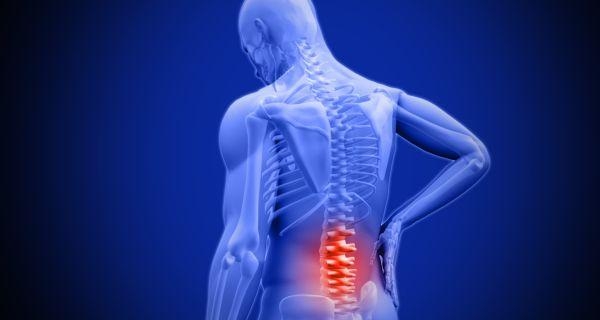
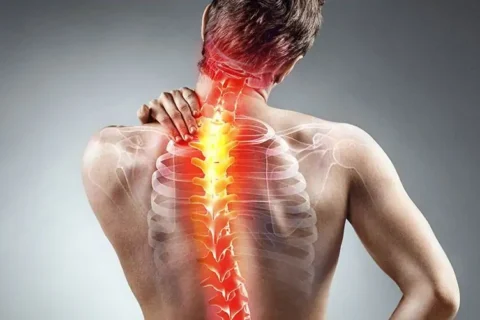
Lumbar canal stenosis refers to narrowing of the spinal canal where the nerves pass through. Such narrowing leads to compression of the nerves passing through the lower back.
The nerves supplying the hips and the legs pass through the lumbar spine region. Due to narrowing of the canal, such nerves can be compressed leading to pain in the lower back and symptoms affecting other body parts like the hips, buttocks, thighs, calves, or the feet.
In most cases, the condition occurs in the lumbar spine because changes can occur in the spinal discs, facet joints, bones, and ligaments. Mild stenosis may cause few or no symptoms, but more considerable narrowing can impair with standing, walking and other daily activities.
If you are experiencing ongoing pain, numbness, weakness or having difficulty walking, you should see a spine expert, as these symptoms can get worse with time. A solid diagnosis helps to decide on the right treatment, rather than just going by what looks severe on an imaging scan.
Symptoms of Lumbar Canal Stenosis
Symptoms may develop slowly and may be more apparent when standing or walking. Common symptoms are:
- Low back pain or discomfort
- Pain that spreads to the hips, buttocks and legs
- Tingly or numbness in your legs and feet
- Weakness or heaviness of the legs
- Cannot stand for extended periods of time
- Difficulty walking longer distances
- burning, pain or cramps in the legs
Many patients will feel worse while standing or walking and better while sitting or leaning forward. This is because when you bend forward you might temporarily make more space for the nerves that are impacted.
If the problem is more serious, there may even be considerable paralysis or changes in the functioning of the bladder or bowels. This requires immediate attention.
Causes of Lumbar Canal Stenosis
The causes of lumbar canal stenosis are many structural alterations of the spine.
Age-Related Degeneration
Over time, spinal discs and joints become worn out. Spinal ligaments may thicken . Disc height and suppleness may reduce . These alterations may eventually diminish the space accessible for nerves.
Herniated or Bulging Disc
A bulging or ruptured disc can protrude into the free space around the spinal nerves. Depending on where and how big it is, it can cause nerve compression.
Bone spurs
Osteophytes, or bone spurs, are additional bone growths that may form due to degenerative or arthritic processes. These growths may take up space within the spinal canal or surrounding nerve roots.
Facet Joint Enlargement
The facet joints, which are the joints between the vertebrae, might get bigger due to degenerative changes. This may lead to constriction of the spinal canal.
Previous Spine Injury
Trauma, fractures or other structural problems can change the curve or position of the spine and may restrict the space available for nerves.
Congenital Narrow Spinal Canal
Some people are born with a small spinal canal to begin with. In many cases, relatively minor degenerative alterations can lead to symptoms at an earlier stage.
Diagnosis of Lumbar Canal Stenosis
The diagnosis starts with a complete review of symptoms and medical history. The Spinal Stenosis Doctor Delhi may also look at how the pain changes with standing, walking, sitting or bending and check for any neurological changes.
Clinical Evaluation
Assessment could include:
- Medical history review
- Assessment of pain and symptom pattern
- Evaluation of walking and mobility
- Neurological exam
- Examination of reflexes and muscle strength
Imaging Tests
MRI Scan: MRI is able to give detailed images of discs, ligaments, nerves and other soft tissue, and can help detect narrowing of the spinal canal and compression of nerves.
X-Ray: X-rays can indicate changes in the bones, alignment of the spine, and degenerative changes that can lead to constriction.
CT Scan: CT provides a thorough view of the bony anatomy of the spine and may be useful when further assessment of bone anatomy is needed.
EMG/NCS: Electromyography and nerve conduction investigations are sometimes indicated to test nerve function and help rule out other potential causes of symptoms.
Lumbar Canal Stenosis Treatment in Delhi
Lumbar Canal Stenosis Treatment Delhi depends on the severity of narrowing, symptoms, neurological findings, level of nerve compression, and the impact of the illness on activities of daily living. Not all patients with lumbar canal stenosis require surgery. In the absence of symptoms and clinical findings, conservative Lumbar Canal Stenosis Treatment Delhi is usually considered as first option.
Non-Surgical Treatment Options
Medications: Depending on the individual disease, medications may be administered to assist control pain and inflammation.
Physiotherapy: A organised physiotherapy program can work on flexibility, strengthening, mobility and functional movement.
Exercise and Rehabilitation: Suitable exercises can assist you to retain your strength, mobility and physical functioning. Choice of exercises should depend on the patient’s symptoms and clinical examination.
Lifestyle Modifications: A thorough treatment plan may include maintaining a normal weight, improved posture, changing activities that aggravate symptoms, and appropriate physical activity.
Dr. Sudeep Jain’s website on lumbar canal stenosis mentions that patients who can be treated conservatively would be treated with medicines, physiotherapy, posture training and targeted exercises.
When is Lumbar Canal Stenosis Surgery Required?
The presence of stenosis on an MRI or other scan does not inherently indicate surgery. If symptoms persist despite adequate conservative treatment or if serious neurological abnormalities emerge consideration may be given.
Surgical assessment may be indicated when:
- Symptoms are not improving satisfactorily with conservative treatment
- Severe leg pain that interferes with daily activities
- Weakness develops progressively
- Walking ability is markedly diminished
- Significant nerve compression and associated symptoms
- Bladder or bowel control difficulties occur
If you develop new bladder or bowel changes with severe spinal symptoms, get medical care right once.
Lumbar Canal Stenosis Treatment Options
Minimally Invasive Spine Surgery
Surgical treatment is indicated if needed, and minimally invasive procedures may be used based on the anatomy and diagnosis of the patient. These techniques tend to focus on smaller entry points and minimising disturbance to adjacent tissue. The specific procedure will depend upon the site and cause of nerve compression.
Lumbar Decompression Surgery
Decompression surgery is done to generate greater space for compressed spinal nerves. The treatment can reduce symptoms caused by pressure on nerves by eliminating structures that produce compression.
Laminectomy
Laminectomy: a surgical procedure to remove all or part of the lamina, which is the back part of the vertebra, to create more space inside the spinal canal. It is a decompression method often used for spinal stenosis.
Dr. Sudeep Jain’s treatment site notes that laminectomy can be used to expand the spinal canal by removing obstructive bone or ligament tissue.
Spinal Fusion Surgery
Fusion may be considered in selected patients with spinal instability or in diseases such degenerative spondylolisthesis. It is aimed to stabilise the afflicted portion of the spine and is not necessary in all cases of lumbar stenosis.
Recovery After Lumbar Canal Stenosis Treatment
Your recovery will depend on the severity of your ailment, the therapy you had, your overall health, and whether or not you had Lumbar Stenosis Surgery Delhi. In conservative management, physiotherapy and activity modification may be needed on a continuous basis.
Post operative treatment will be wound care, prescribed exercises, physiotherapy, progressive walking and follow up visits. As pressure is relieved on the damaged nerves, mobility and leg problems may improve. Recovery experience varies from patient to patient.
Staying active as appropriate, following rehabilitation guidelines and attending planned follow-ups can aid recovery and enable patients gradually return to everyday activities.