Sciatica can cause pain that travels from the lower back into the buttock and leg, making everyday activities such as sitting, walking, working, and sleeping uncomfortable. The right treatment depends on the underlying cause, the severity of symptoms, and whether the sciatic nerve or its nerve roots are being compressed.
At Spine Solutions India, Dr.Sudeep Jain provides spine care focused on identifying the cause of spinal symptoms and determining appropriate treatment options. Patients seeking Sciatica Treatment in Delhi can explore conservative care, rehabilitation, injections, and surgical evaluation when clinically indicated.
What Is Sciatica?
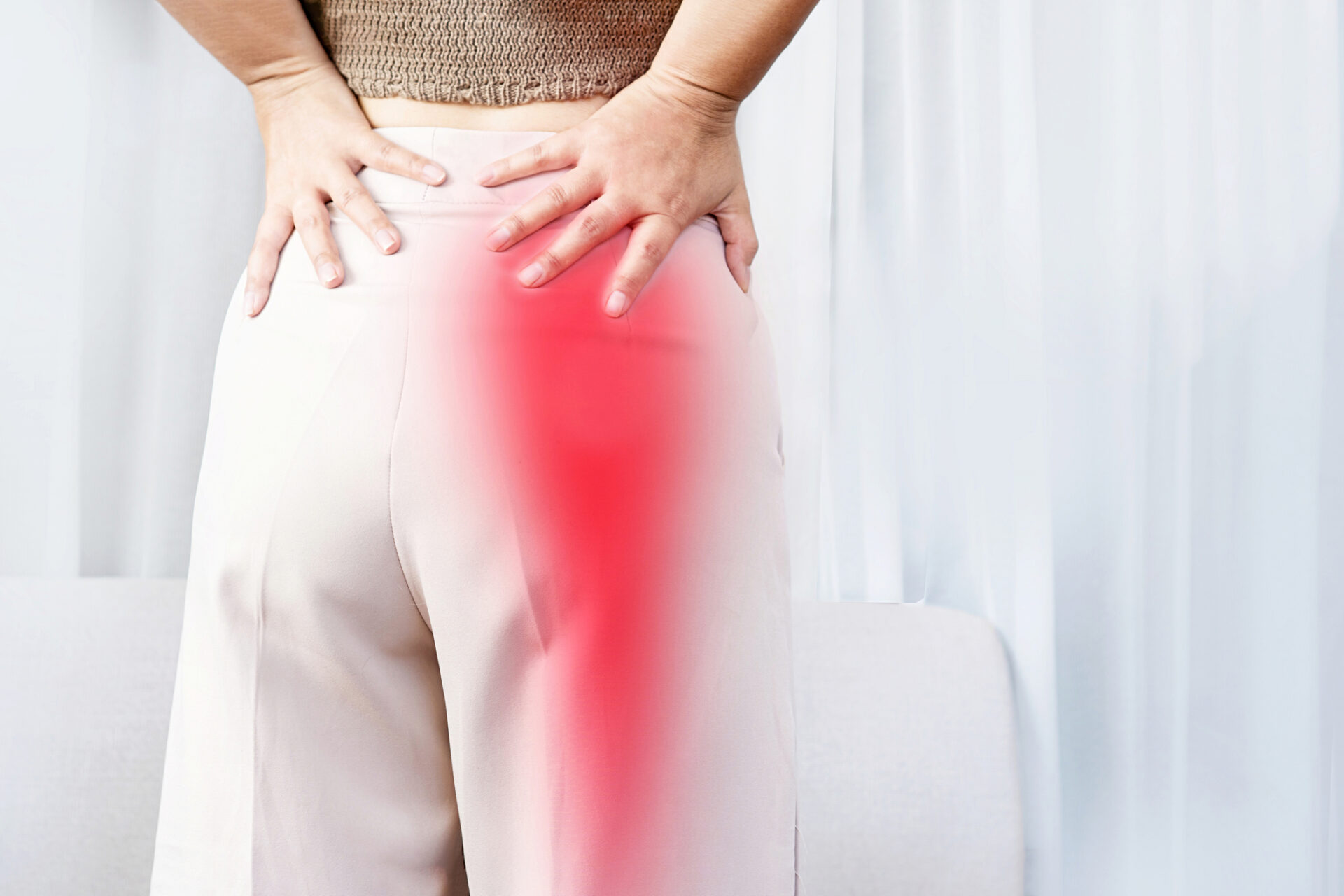
Sciatica is pain caused by irritation or compression of the sciatic nerve or the nerve roots that contribute to it. The sciatic nerve is the largest nerve in the body. It originates from nerve roots in the lower spine, passes through the buttock region, and travels down each leg. When these nerve roots become irritated, a person may experience pain, tingling, numbness, or weakness extending from the lower back into the leg. Sciatica commonly affects one side of the body.
How Is Sciatica Different from Regular Back Pain?
Ordinary lower-back pain may remain around the muscles and joints of the back. Sciatica, in contrast, typically produces nerve-related pain that travels from the lower back or buttock into the thigh, calf, or foot. The pain may feel burning, sharp, shooting, or like an electric shock. Some patients experience leg symptoms even when their back pain is mild. The term lumbar radiculopathy describes dysfunction or irritation of a nerve root in the lower spine and is often associated with sciatica.
Sciatica is generally a symptom of an underlying problem rather than a separate disease. A herniated or slipped disc, spinal stenosis, degenerative spinal changes, or spondylolisthesis may compress or irritate a nerve root. Identifying the source is an important step in deciding which treatment is appropriate. Patients experiencing persistent radiating pain may benefit from an assessment by a Sciatica Specialist Delhi patients can consult for a detailed spinal evaluation.
Sciatica Symptoms
Symptoms can differ according to the affected nerve root and the degree of irritation or compression. Some people experience mild discomfort, while others develop persistent pain that interferes with walking, sitting, working, or sleeping. Common symptoms include:
- Lower-back pain that may extend into the buttock.
- Pain travelling from the lower back or buttock into one leg.
- Pain in the thigh, calf, or foot.
- Burning, shooting, or electric-shock-like sensations.
- Tingling or pins-and-needles sensations.
- Numbness in part of the leg or foot.
- A feeling of heaviness in the affected leg.
- Muscle weakness or difficulty moving the foot.
- Difficulty walking or performing daily activities in more severe cases.
Symptoms may worsen with prolonged sitting, certain movements, coughing, or sneezing. However, the pattern varies between patients, and similar symptoms can have other causes. A proper clinical examination helps determine whether the pain is consistent with sciatica and whether further tests are necessary.
Severe Sciatica Symptoms: When to Seek Urgent Care
Certain symptoms require prompt medical assessment because they may indicate significant nerve compression or another serious spinal condition. Seek emergency medical care if you experience:
- New or rapidly worsening leg weakness.
- Foot drop or an inability to lift the front of the foot normally.
- Severe or rapidly increasing numbness.
- Major difficulty walking due to weakness.
- Loss of bladder or bowel control, or difficulty passing urine.
- Numbness around the groin, genitals, or inner thighs, known as saddle numbness.
These symptoms should not be ignored or managed through routine appointments alone. Bladder or bowel changes and saddle numbness can indicate caudaequina syndrome, a rare but serious emergency requiring immediate hospital evaluation.
What Causes Sciatica?
Sciatica commonly develops when a nerve root in the lower spine becomes compressed or inflamed. The underlying problem may involve a spinal disc, narrowing around the nerves, changes in the vertebrae, or an injury. Identifying the cause helps a spine specialist distinguish temporary nerve irritation from a condition that may need more targeted treatment. The appropriate approach depends on the patient’s symptoms, examination findings, and overall health.
Common Causes of Sciatica
Herniated or slipped disc: Spinal discs cushion the vertebrae and help the spine move. When disc material protrudes or herniates, it may press against a nearby nerve root and cause radiating pain.
Spinal stenosis: Narrowing of the spinal canal or the openings through which nerves pass can put pressure on nerve structures. Symptoms may include leg pain, numbness, or difficulty walking.
Degenerative disc disease: Age-related disc changes may contribute to reduced disc height and changes in the surrounding spinal structures, sometimes increasing the likelihood of nerve irritation.
Bone spurs and spinal arthritis: Degenerative changes can produce bony growths that narrow the space available for nerve roots.
Spondylolisthesis: When one vertebra slips relative to another, it may contribute to narrowing and nerve compression.
Spinal injury and other conditions: Certain injuries may affect discs, vertebrae, or nerves. Less commonly, infections, tumours, or other medical conditions can produce similar symptoms and require specific evaluation.
Several factors may increase the likelihood of developing sciatica or experiencing recurring back problems. These include increasing age, a previous back injury, prolonged sitting, a sedentary lifestyle, repetitive bending or lifting, physically demanding work, excess body weight, smoking, and reduced core strength. These factors do not cause sciatica in every person, and some cases develop without an obvious trigger. Maintaining appropriate activity, using safe lifting techniques, and seeking advice for persistent symptoms may help support spinal health.
How Is Sciatica Diagnosed?
Accurate diagnosis begins with a detailed medical history and physical examination. A Sciatica Doctor Delhi will ask when the pain started, where it travels, what makes it worse, and whether numbness or weakness is present. Previous injuries, existing medical conditions, and treatments already attempted may also be relevant. The objective is to identify the likely cause of nerve irritation, assess neurological function, and determine whether imaging or other investigations could change the treatment plan.
Clinical Examination
During an examination, the doctor may assess:
- The location and pattern of pain.
- Leg muscle strength and reflexes.
- Sensation in the legs and feet.
- Walking pattern, balance, and mobility.
- Leg movement and range of motion.
- The straight-leg raise test, which may reproduce nerve-related symptoms.
- Other neurological signs that help identify the affected nerve roots.
These findings help the doctor determine whether symptoms are consistent with sciatica and whether additional investigation is appropriate.
Imaging and Diagnostic Tests
Not every patient requires an imaging test. Investigations are selected according to the symptoms, examination findings, duration of the problem, and whether the results are likely to influence treatment.
- X-ray: Helps assess bones, spinal alignment, and some degenerative changes, but does not directly show discs or nerve compression in detail.
- MRI: Provides detailed images of discs, nerves, and other soft tissues. It may be recommended when symptoms are severe, persistent, or associated with concerning neurological findings.
- CT scan: Provides detailed information about bone structures and may be useful in selected cases.
- EMG and nerve conduction studies: May help evaluate nerve function when the diagnosis or extent of nerve involvement remains uncertain.
The decision to order an MRI or CT scan should be based on clinical need rather than the presence of back or leg pain alone.
Confused about your MRI report?
Upload your MRI for expert spine opinion.
Sciatica Treatment in Delhi
The right Sciatica Treatment in Delhi depends on the underlying cause, symptom severity, duration of pain, degree of nerve compression, presence of weakness or numbness, and response to previous care. Some patients improve with non-surgical treatment, while others require additional interventions. Sciatica Treatment Delhi patients receive should be based on an individual assessment rather than a single approach for everyone.
Many cases can initially be managed without surgery. Treatment may involve activity modification, physiotherapy, guided exercises, appropriate medication, and changes to daily habits. If symptoms persist or neurological problems develop, a specialist may consider further investigations or targeted treatment.
Non-Surgical Treatment for Sciatica
Non-surgical care aims to reduce pain, support mobility, and help patients return to their usual activities. Depending on the diagnosis, the treatment plan may include:
Activity modification: Temporarily adjusting activities that aggravate symptoms while avoiding unnecessary prolonged bed rest. Gentle movement within individual limits may be encouraged.
Physiotherapy: A physiotherapist can recommend suitable exercises and movement techniques based on the affected structures, pain level, and physical abilities.
Core strengthening and flexibility: A tailored programme may improve trunk support, mobility, and functional movement. Exercises should be selected according to the patient’s condition rather than following a universal routine.
Posture and body mechanics: Guidance on sitting, lifting, standing, and changing positions may help reduce unnecessary strain during daily activities.
Medication: A Sciatica Specialist Delhimay recommend appropriate pain-relieving medication after considering medical history, other medicines, and potential side effects. Patients should not self-medicate or assume that every medicine is suitable for nerve pain.
Heat or cold therapy: These may provide temporary symptom relief for some people when used appropriately.
Patients looking for Sciatica Treatment Without Surgery Delhioptions should understand that conservative care is often considered first when there is no urgent indication for surgery. However, the appropriate approach depends on the cause, severity, and progression of symptoms.
When Is Surgery Required for Sciatica?
Surgery is not automatically necessary when a patient is diagnosed with sciatica. It may be considered when pain remains severe and disabling despite appropriate non-surgical treatment, when significant or progressive muscle weakness develops, or when persistent neurological deficits affect daily function. Surgery may also be appropriate when severe spinal stenosis or another structural problem requires decompression.
The decision should consider the patient’s symptoms, neurological examination, imaging findings, general health, and treatment goals together. An abnormal MRI finding alone does not automatically mean that surgery is required. Emergency symptoms involving bladder or bowel function or saddle numbness require immediate hospital assessment rather than a routine surgical consultation.
Sciatica Treatment Options
Physiotherapy and Functional Rehabilitation
Physiotherapy can help selected patients manage pain, improve mobility, and gradually resume daily activities. Treatment may include core strengthening, flexibility work, movement training, postural correction, and functional rehabilitation. The programme should reflect the underlying spinal condition and the patient’s tolerance for activity.
A Sciatica Specialist in Delhi NCR can help determine whether physiotherapy is appropriate on its own or should form part of a broader treatment plan. Patients with significant weakness, worsening neurological symptoms, or suspected serious spinal conditions may need medical evaluation before starting or progressing exercises.
Medicines for Sciatic Nerve Pain
Medication may be considered when pain interferes with sleep, movement, or everyday responsibilities. Depending on the individual case, the Best Doctor for Sciatica in Delhi may discuss pain-relieving or anti-inflammatory medicines and explain their potential benefits and risks. Some medicines are unsuitable for certain health conditions, and medications used for general back pain may not work equally well for nerve-related pain.
People seeking Sciatic Nerve Pain Treatment Delhi services should share their medical history, current medicines, allergies, and previous treatment experiences with the treating doctor. Medication should be reviewed if symptoms persist or worsen, rather than continued or changed without medical advice.
Epidural and Spinal Injections
In selected cases, a specialist may recommend an epidural corticosteroid injection or another targeted injection around the affected nerve root. The aim is to reduce inflammation and provide short-term relief that may help the patient participate in rehabilitation. The suitability and expected benefit depend on the underlying cause, severity, and duration of symptoms.
Injections are not a guaranteed permanent cure and may not be appropriate for every type of sciatica. The Best Doctor for Sciatica Pain in Delhi should explain the potential benefits, limitations, and risks before proceeding. They may be considered when symptoms remain troublesome despite other suitable measures.
Minimally Invasive Spine Treatment
Minimally invasive spine procedures use specialised techniques to treat selected spinal conditions through smaller surgical approaches than traditional open procedures. Depending on the diagnosis, a suitable procedure may help relieve pressure on an affected nerve while limiting disruption to surrounding tissues.
Dr.Sudeep Jain’s website describes endoscopic spine surgery and other advanced spine procedures as part of the clinic’s treatment expertise. Whether a minimally invasive approach is appropriate depends on the specific source of nerve compression, the patient’s health, and the findings from clinical evaluation. No procedure should be presented as risk-free or suitable for every patient.
Sciatica Surgery
When surgery is indicated, the objective is to relieve pressure on the affected nerve and address the structural problem responsible for symptoms. Depending on the diagnosis, procedures may include:
- Microdiscectomy or discectomy: Removes the portion of a herniated disc responsible for nerve compression.
- Lumbar decompression: Creates more space for compressed nerve structures.
- Laminectomy: Removes part of the vertebral bone when necessary to relieve pressure.
- Other decompression procedures: Address specific causes of nerve narrowing or compression.
- Spinal fusion: May be considered when a structural condition, such as certain cases of spinal instability, provides an appropriate indication.
The exact procedure is determined through a specialist assessment. Patients considering Sciatica Surgery Delhi options should discuss the expected benefits, alternatives, possible complications, and rehabilitation requirements before making a decision.
Sciatica Recovery
Recovery varies according to the cause of sciatica, the duration and severity of symptoms, the degree of nerve compression, the presence of weakness, and the Sciatica Treatment Delhi NCR selected. Some people improve over several weeks, while others experience persistent or recurring symptoms that require further assessment. Recovery is not determined by pain intensity alone; improvements in strength, sensation, walking, sleep, and everyday function are also important.
A personalised plan for Chronic Sciatica Treatment Delhi patients may focus on symptom management, physical function, and addressing the underlying spinal condition. Persistent pain, new weakness, or worsening numbness should be reviewed by a healthcare professional rather than managed indefinitely with self-care.
Recovery Without Surgery
For patients managed conservatively, recovery may involve gradual improvements in movement and pain, guided physiotherapy, appropriate physical activity, strengthening, and mobility work. Patients should follow professional advice about which activities to continue and which movements to modify. Avoiding prolonged inactivity and gradually returning to normal routines may support recovery when medically appropriate.
Lifestyle adjustments, safe lifting techniques, regular movement breaks, and exercises selected for the individual may also help reduce strain on the back. However, no single exercise routine can prevent every recurrence, and progress differs between patients. If symptoms stop improving or begin to worsen, the Sciatica Pain Treatment Delhi plan may need reassessment.
Recovery After Sciatica Surgery
Recovery after surgery depends on the procedure performed, the severity of nerve compression, the duration of symptoms, and the patient’s general health. Some patients may be encouraged to begin walking early, while others need specific restrictions during the initial recovery period. Physiotherapy may be recommended to support strength, mobility, and a gradual return to everyday activities.
The timing of returning to work, driving, exercise, or physically demanding tasks varies. Patients should follow their surgeon’s post-operative instructions and attend recommended follow-up appointments. Nerve-related symptoms may not resolve immediately, particularly when compression has been present for an extended period. New or worsening weakness, wound concerns, or other unexpected symptoms like Leg Pain Due to Sciatica Treatment Delhi should be reported promptly.
Frequently Asked Questions (FAQs)
What is sciatica?
Sciatica is pain that travels along the sciatic nerve pathway, commonly from the lower back or buttock into the leg, because of nerve irritation or compression.
What causes sciatica?
Common causes include a herniated disc, spinal stenosis, degenerative spinal changes, and spondylolisthesis.
What are the symptoms of sciatica?
Symptoms may include radiating leg pain, burning sensations, tingling, numbness, and muscle weakness.
Can sciatica cause leg pain?
Yes. Pain travelling from the lower back or buttock into the thigh, calf, or foot is a typical symptom.
Can sciatica cause numbness or weakness?
Yes. Nerve compression can affect sensation and muscle strength. New or progressive weakness requires prompt medical assessment.
Can a slipped disc cause sciatica?
Yes. A herniated disc can press against a nerve root and cause pain that travels down the leg.
Can sciatica be treated without surgery?
Many patients can initially be treated with appropriate non-surgical measures, but treatment depends on the cause and severity.
Can physiotherapy help sciatica?
Physiotherapy may help improve mobility, strength, and function through exercises and movement guidance tailored to the patient’s condition.
Is walking good for sciatica?
Gentle walking may be helpful for some patients, provided it is tolerated and does not worsen symptoms. Seek advice if walking causes significant pain or weakness.
When does sciatica require surgery?
Surgery may be considered for persistent disabling pain despite appropriate treatment, significant or progressive weakness, or specific structural causes of nerve compression.
How long does sciatica take to recover?
Recovery varies. Some people improve within weeks, while persistent or severe cases may take longer and require additional treatment.
Can sciatica come back?
Yes. Symptoms may recur if the underlying spinal problem persists or another episode of nerve irritation develops.
Is sciatica a serious condition?
Many cases improve, but progressive weakness, severe neurological symptoms, or bladder and bowel changes may indicate a serious problem.
When should I see a doctor for sciatica?
Consult a doctor if pain is persistent, severe, worsening, or affecting daily activities. Seek emergency care for bladder or bowel dysfunction or saddle numbness.
What is the best treatment for sciatica?
The appropriate treatment depends on the underlying cause, symptoms, examination findings, and response to previous treatment.
Who is the best doctor for sciatica in Delhi?
Look for a qualified spine specialist with relevant experience in diagnosing nerve compression and discussing appropriate conservative and surgical options. Dr. Sudeep Jain’s clinic provides spine-related evaluation and treatment services in New Delhi.
Sciatica Treatment by Dr.Sudeep Jain
Dr Sudeep Jain is one of the best trained and experienced Sciatica Spine Specialist Delhi, India. Dr Sudeep has vast experience in treating patients with various spine disorders which start as simple back pain. He is one of the very few surgeons who has trained in treating adult as well as paediatric patients with various congenital spinal disorders. Dr Sudeep Jain is one of the best exponents of Endoscopic Spine Surgery and has received special training from India and abroad.
Dr Jain did Medical School from the prestigious Maulana Azad Medical College and Hospital, New Delhi and Post graduation from University of Delhi, India. He is an Alumini of All India Institute of Medical Sciences, New Delhi, India. Dr Sudeep did Superspecialization in Spine Surgery from the University of Sechelles. Dr Jain is also one of the best surgeon when it comes to doing the complex Brachial Plexus Surgeries. Very few doctors are doing the surgery for the Brachial Plexus Injury. Dr.Sudeep has consistently given good outcomes for the patients requiring the Brachial Plexus Surgery.
Dr Sudeep Jain’s area of specialization lies in back pain and neck pain management, endoscopic spine surgery, scoliosis correction, disc replacement, brachial plexus injury, paediatric spine surgery, paediatric congenital deformity correction and microscopic spine surgery.
Get Expert Treatment for Sciatica in Delhi
Persistent leg pain, pain radiating from the lower back into the buttock or leg, tingling, numbness, weakness, and difficulty walking can interfere with work and everyday life. If these symptoms continue, recur, or become progressively worse, consult a healthcare professional for an appropriate assessment. Patients seeking Severe Sciatica Treatment Delhi can discuss the likely cause of their symptoms and whether conservative treatment, further investigations, or specialist intervention may be appropriate.
At Spine Solutions India, Dr.Sudeep Jain’s team provides evaluation and treatment for spinal conditions, including sciatica. The aim is to identify the underlying problem and develop a treatment plan suited to the patient’s needs.
Book a consultation to discuss your symptoms and treatment options.
Take the First Step Towards a Pain-Free Spine
Struggling with back, neck, or spine issues? Get expert guidance and the right treatment plan tailored to your condition—before it gets worse.