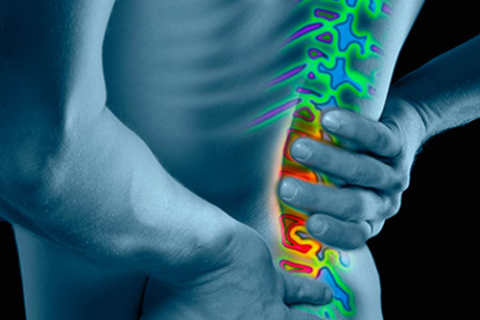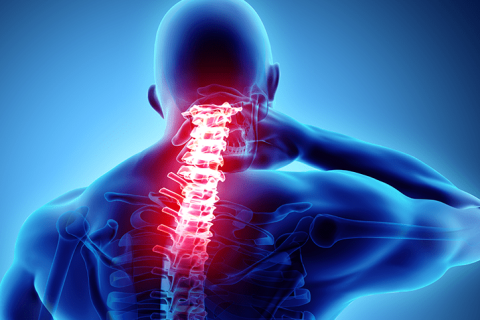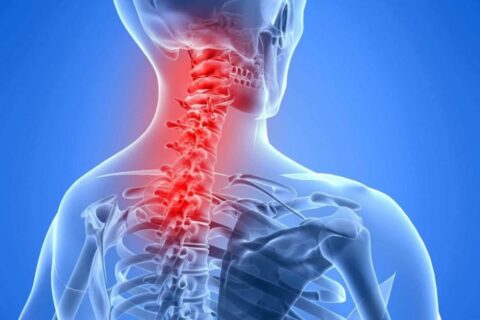

Constant back pain, stiffness in the neck, and difficulties in performing regular activities can result from arthritis in the spine. Patients, based on the type of arthritis and the affected parts, might also experience limited mobility, radiation of pain to the arms and legs, as well as signs of compressed nerves. Early diagnosis will aid you in knowing what is wrong and the possible treatment strategy.
To those seeking Spinal Arthritis Treatment in Delhi, it is necessary that they know about the disease, the different types of non-surgical treatments that can be provided, and when the treatment needs surgery. It varies from one individual to another. The reason is that the type of treatment needed will depend on where the arthritic joints are located, how serious the symptoms are, and the health of the patient in general.
What Is Spinal Arthritis?
Spinal arthritis refers to arthritis changes that occur at the joint and other parts of the spine. The spine is composed of vertebrae, intervertebral discs, ligaments and joints which collectively provide support and facilitate movement. There are joints located in the back part of the spine known as facet joints which help in guiding movement in the spine.
Cartilage covers the surfaces of the joint and will wear down through time while there are degenerative changes that occur in the bones surrounding the joint. This can result in stiff, inflamed or painful joints. In some cases, the formation of bone spurs or osteophytes is common. Such changes will narrow down the area where spinal nerves pass and may cause compression in the nerves leading to symptoms being experienced in the arm and legs.
Symptoms of Spinal Arthritis
Symptoms of arthritis of the spine depend on what part of the spine is afflicted, the degree of joint degradation, and whether or not surrounding nerves are involved.
Symptoms include:
- Back pain: Discomfort in the middle or lower back that may worsen during certain movements.
- Neck pain: Stiffness or pain in the cervical spine, particularly during turning or looking upward.
- Reduced flexibility: Difficulty bending, twisting, or moving the spine comfortably.
- Morning or movement-related stiffness: A feeling of restricted movement after rest or following prolonged sitting.
- Tenderness around spinal joints: Local discomfort that may increase when the affected area is moved.
- Pain around the hips or buttocks: Symptoms that can accompany degenerative changes in the lower spine.
- Radiating pain: Pain travelling into an arm or leg when spinal nerves are irritated or compressed.
- Numbness or tingling: Altered sensation in the limbs associated with nerve involvement.
- Muscle weakness: Weakness that may develop when significant nerve compression affects muscle function.
- Reduced walking tolerance: Difficulty walking for longer distances in some patients with associated spinal stenosis.
Causes of Spinal Arthritis
There are several causes of arthritic change in the spine. Knowing the likely cause helps a Spinal Arthritis Specialist in Delhi NCR distinguish between routine degenerative changes and inflammatory disease or something else that might require a different approach.
Age-Related Degeneration
With age, some changes can take place in the spinal cartilage, discs, and other tissues. Joints may become stiff and develop some wear and tear. Such changes are frequent, but their occurrence doesn’t necessarily indicate the need for any treatment. The significance of these degenerative changes lies in whether they are related to the patient’s complaints and clinical picture.
Facet Joint Degeneration
Facet joints facilitate the movement of vertebrae. With wear and tear of the cartilage, facet joints could irritate and cause pain. With progression, there could be joint swelling and formation of bone spurs. Therefore, the Facet Joint Arthritis Treatment Delhi could involve actions targeted towards pain, movement, and the affected facet joints.
Previous Spinal Injury and Repetitive Stress
A history of an earlier spinal injury can affect the transfer of force through a joint, and may lead to degenerative changes. Repeated flexion, rotation, physical labor, and mechanical stress placed on the spine from certain activities can also worsen symptoms.
Posture, Physical Activity, and Body Weight
The problem of extended sitting, improper ergonomics of the workstation, and insufficient physical activity might also be the reason for increased stiffness and weakness of muscles. The presence of additional weight on the body can create extra mechanical load on the spine, especially on its lower part.
Inflammatory Arthritis
Rheumatoid arthritis, psoriatic arthritis, and ankylosing spondylitis are inflammatory diseases that could involve the spine or joints. They have different etiologies from normal osteoarthritis and therefore require different methods of management. In cases of suspected inflammation, consultation with the relevant physician may be necessary.
Diagnosis of Spinal Arthritis
Diagnostic process includes the knowledge of the symptoms being faced by the patient and the fact that the spinal changes found can explain the symptoms. The Spinal Arthritis Doctor Delhi needs to review the nature of the pain, limitations in movements, neurological symptoms, history, and past treatment.
Medical History and Physical Examination
The assessment usually starts with an evaluation of pain in terms of its location, persistence, and intensity. It is also common to question the patient on those actions that intensify the pain, the stiffness after resting, and if the pain is radiating into the limbs. Past injuries, preexisting health issues, and any past assessments may be significant. A physical assessment helps evaluate spine range of motion, posture, tender points, and functional impairments.
Imaging Investigations
X-rays can assist in locating bone spurs, joint space variations, improper alignment, and other bone changes that indicate degeneration. X-rays do not provide the level of spinal nerve visualization that an MRI would give.
An MRI may be ordered by your physician if there is a need to look at the discs, spinal nerves, spinal canal, soft tissue, or nerve compression. It will be especially helpful if symptoms point to a nerve problem.
A CT scan gives a detailed image of bones and can help in assessing the condition of facet joints, osteophytes, and complicated degeneration. It is not mandatory for all patients.
Diagnostic Injections and Blood Tests
For certain patients, a facet joint injection or medial branch block can help establish whether the pain comes from a specific spinal joint. The blood test can be done where the symptoms and history of the patient suggest an underlying disease such as inflammatory arthritis.
Spinal Arthritis Treatment in Delhi
The aim of treatment is to reduce pain, improve mobility, maintain function, and address any significant nerve-related or structural problems. The appropriate plan depends on the type of arthritis, the spinal region affected, symptom severity, duration of discomfort, overall health, and response to previous treatment.
Most patients are initially assessed for non-surgical management when their condition allows. A personalised approach to Spine Arthritis Treatment Delhi patients receive may combine medication, physiotherapy, exercise, rehabilitation, and lifestyle changes. When inflammatory arthritis is responsible, treatment may also need to address the underlying inflammatory disease rather than focusing only on spinal pain.
Medication for Symptom Management
Depending on the diagnosis, a doctor may recommend medication to manage pain or inflammation. Other medicines may be considered when muscle-related symptoms or a specific underlying condition require Spinal Arthritis Treatment in Delhi. The choice should account for the patient’s medical history, other medicines, and potential side effects. Patients should not begin prolonged pain-relief medication without appropriate medical advice.
Physiotherapy and Rehabilitation
Physiotherapy can help improve spinal flexibility, strengthen the muscles that support the trunk, and encourage more comfortable movement. A rehabilitation plan may include posture training, controlled mobility exercises, core strengthening, and guidance on performing daily activities safely.
Exercise and Lifestyle Modifications
Appropriate stretching, strengthening exercises, and low-impact activities may help maintain mobility and physical conditioning. Regular movement can also reduce the stiffness associated with prolonged inactivity. A physiotherapist or treating doctor can recommend suitable activities and explain how to increase exercise gradually.
When Is Surgery Required for Spinal Arthritis?
Spinal arthritis does not automatically require surgery. Many patients can manage symptoms through conservative treatment and appropriate rehabilitation. Surgery may be considered when arthritis is associated with a significant structural or neurological problem that cannot be adequately managed through non-surgical care.
Possible reasons for considering an operation include:
- Persistent, disabling pain despite appropriate non-surgical treatment.
- Significant nerve compression causing ongoing symptoms.
- Spinal stenosis that affects walking or daily function.
- Progressive neurological weakness.
- Spinal instability or a structural abnormality causing substantial impairment.
- Severe functional limitations associated with a clearly identified spinal problem.
The Best Doctor for Spinal Arthritis in Delhi should explain the expected benefits, risks, alternatives, and limitations of any proposed operation so that patients can make an informed decision.
Specific Spinal Arthritis Treatment Options
Physiotherapy and Structured Rehabilitation
A structured rehabilitation programme focuses on strength, flexibility, posture, spinal support, and daily function. Exercises can be adjusted as symptoms change, helping patients maintain activity while avoiding unnecessary strain. Rehabilitation may also address movement habits that contribute to discomfort during sitting, standing, lifting, or walking.
Facet Joint Injections
Facet joint injections may be considered when clinical assessment suggests that particular facet joints are contributing to pain. The procedure involves delivering medication into or around the targeted joint under appropriate guidance. The potential benefit and suitability depend on the patient’s diagnosis and individual circumstances.
Medial Branch Blocks
Medial nerve branches transmit pain signals from the facet joints. Medial nerve branch blocks involve administering an anesthetic around these nerves in order to test if blocking pain signal transmission will reduce pain. This procedure could help diagnose pain that is coming from the facet joints in certain patients.
Radiofrequency Ablation
Radiofrequency ablation involves heating up certain nerves that carry pain messages from the facets to the brain. Radiofrequency ablation can be an option if there is evidence that the problem is caused by the facet joint as a result of a proper evaluation, which includes diagnostic blocks.
Spinal Decompression Surgery
In cases where degenerative changes result in a narrowing of the spinal canal or neural pathways, decompressive surgery may be recommended. The surgical treatment seeks to alleviate pressure on the affected neurological tissues. This option is usually resorted to when there is evidence that nerve compression plays a major role in the patient’s problems.
Spinal Fusion
Spinal fusion joins selected vertebrae to reduce movement across a segment. It may be considered in certain cases involving instability or specific structural problems. Fusion is not necessary simply because spinal arthritis appears on imaging. The decision depends on the underlying condition, the location of the problem, and the expected balance of benefits and risks.
Minimally Invasive Spine Surgery
For appropriate individuals who require an operation, minimally invasive procedures may offer treatment through smaller incisions and with less disruption to adjacent tissues than some standard treatments. Potential advantages depend on the procedure and the patient’s condition.
Recovery After Spinal Arthritis Treatment
Recovery depends on the severity of the condition, the Arthritis in Spine Treatment Delhi selected, general health, and whether nerve compression or structural instability is present. Patients receiving conservative care may gradually improve through symptom management, physiotherapy, regular activity, and adjustments to daily habits. Progress may vary, and some degenerative changes remain visible even when symptoms become more manageable.
Follow-up appointments allow the Best Spine Specialist for Spinal Arthritis in Delhi to assess progress and modify treatment if necessary. Patients should report new weakness, increasing numbness, or other concerning changes rather than assuming they are a normal part of recovery.
Confused about your MRI report?
Upload your MRI for expert spine opinion.
Frequently Asked Questions (FAQs)
What is spinal arthritis?
Spinal arthritis is a condition involving arthritic changes in the joints or other structures of the spine. It may cause pain, stiffness, or restricted movement, although some people have degenerative changes without symptoms.
What causes spinal arthritis?
Causes include age-related degeneration, facet joint wear, previous injury, and mechanical stress. Inflammatory diseases such as ankylosing spondylitis and psoriatic arthritis can also affect the spine.
What are the symptoms of spinal arthritis?
Symptoms may include back or neck pain, stiffness, reduced flexibility, and difficulty bending or twisting. Numbness, tingling, radiating pain, or weakness may occur if nerves are affected.
Is spinal arthritis a serious condition?
Its severity varies. Some people have mild symptoms, while others develop substantial pain, spinal stenosis, or nerve compression that affects daily activities.
Can spinal arthritis be treated without surgery?
Yes. Many patients can manage symptoms with appropriate medication, physiotherapy, exercise, and lifestyle changes. The best approach depends on the underlying condition and whether significant structural or neurological problems are present.
Can spinal arthritis cause lower back pain?
Yes. Arthritis affecting the lumbar facet joints or other lower spinal structures may contribute to lower back pain and stiffness.
Can spinal arthritis cause neck pain?
Yes. Arthritis affecting the cervical spine may cause neck pain, stiffness, and restricted movement. Associated nerve compression can sometimes produce symptoms in the arms.
Can spinal arthritis cause leg or arm pain?
It can, particularly when degenerative changes narrow spaces around spinal nerves. However, radiating pain can have other causes, so appropriate assessment is important.
What exercises are helpful for spinal arthritis?
Suitable exercises may include gentle mobility work, stretching, core strengthening, and low-impact activities. A physiotherapist can recommend exercises based on the affected spinal region and individual limitations.
Is spinal arthritis the same as spondylosis?
The terms are related but are not identical in every context. Spondylosis generally describes degenerative changes in the spine, while spinal arthritis refers to arthritic involvement of spinal joints and structures. Their use can overlap in clinical discussions.
What is facet joint arthritis?
Facet joint arthritis involves degeneration or arthritic changes in the small joints connecting the back portions of adjacent vertebrae. It may contribute to local pain, stiffness, and restricted movement.
When is surgery required for spinal arthritis?
Surgery may be considered when severe symptoms persist despite suitable conservative treatment or when arthritis contributes to significant nerve compression, spinal stenosis, or instability. It is not routinely required for every patient.
Can spinal arthritis be prevented?
Not all cases can be prevented, particularly those related to age or inflammatory disease. Regular physical activity, appropriate body-weight management, good movement habits, and injury prevention may support spinal health.
Who is the best doctor for spinal arthritis treatment in Delhi?
Look for a qualified Spine Arthritis Doctor in Delhi who can evaluate your symptoms, interpret relevant investigations, explain non-surgical and surgical options, and recommend treatment based on your individual needs. Dr. Sudeep Jain at Spine Solutions India is an option for patients seeking a spine consultation in Delhi.
Spinal Arthritis Specialist in Delhi NCR: Dr. Sudeep Jain
Dr Sudeep Jain is one of the best trained and experienced spine specialist and surgeon in New Delhi, India. Dr Sudeep has vast experience in treating patients with various spine disorders which start as simple back pain. He is one of the very few surgeons who has trained in treating adult as well as paediatric patients with various congenital spinal disorders. Dr Sudeep Jain is one of the best exponents of Endoscopic Spine Surgery and has received special training from India and abroad.
Dr Jain did Medical School from the prestigious Maulana Azad Medical College and Hospital, New Delhi and Post graduation from University of Delhi, India. He is an Alumini of All India Institute of Medical Sciences, New Delhi, India. Dr Sudeep did Superspecialization in Spine Surgery from the University of Sechelles. Dr Jain is also one of the best surgeon when it comes to doing the complex Brachial Plexus Surgeries. Very few doctors are doing the surgery for the Brachial Plexus Injury. Dr. Sudeep has consistently given good outcomes for the patients requiring the Brachial Plexus Surgery.
Dr Sudeep Jain’s area of specialization lies in back pain and neck pain management, endoscopic spine surgery, scoliosis correction, disc replacement, brachial plexus injury, paediatric spine surgery, paediatric congenital deformity correction and microscopic spine surgery.
Consult a Spine Specialist for Spinal Arthritis Treatment in Delhi
If you are looking for Spine Arthritis Treatment Delhi, consult Dr. Sudeep Jain at Spine Solutions India to discuss your symptoms and available treatment options. The goal is to develop an individualised plan based on your condition, examination, and relevant investigations rather than assuming that everyone needs the same treatment.
Book an appointment to discuss persistent spinal symptoms and receive guidance on the next steps.
Take the First Step Towards a Pain-Free Spine
Struggling with back, neck, or spine issues? Get expert guidance and the right treatment plan tailored to your condition—before it gets worse.