Lumbar Canal Stenosis
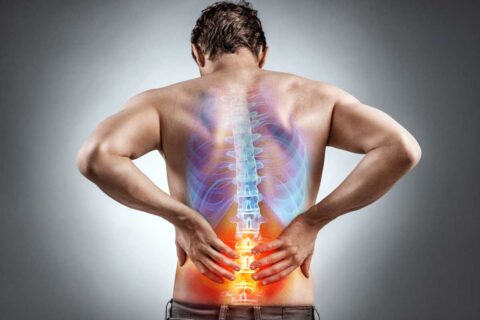
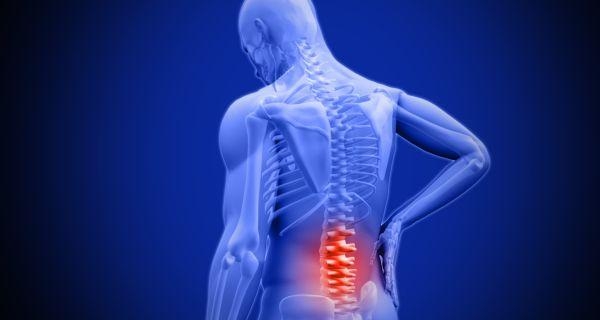
Lumbar canal stenosis is a progressive condition in which the space inside the spinal canal narrows, causing pressure on the nerves in the lower back. This narrowing often occurs gradually, leading to irritation, inflammation, and restricted blood flow to the legs. As a result, patients may experience persistent lower-back pain, stiffness, and fatigue while walking. When the condition worsens, the compressed nerves can trigger radiating discomfort and numbness down the legs. Many patients seek Lumbar canal stenosis treatment when mobility becomes difficult or when daily activities start getting affected. While age-related degeneration is the most common cause, younger individuals may also develop this problem due to injury, congenital narrowing, or lumbar disc issues. Consulting a Spinal stenosis doctor in Delhi ensures accurate diagnosis and personalised care.
Symptoms
Symptoms of lumbar canal stenosis usually develop slowly and intensify over time. Patients often report pain or heaviness in the lower back, hips, and legs, especially during prolonged standing or walking. The narrowing of the canal irritates the spinal nerves, resulting in tingling, numbness, and weakness. In many cases, individuals seek Lumbar canal stenosis treatment because even mild activities trigger discomfort or fatigue. The pain often radiates down the thighs and calves and improves when the patient bends forward or sits, as this posture temporarily widens the spinal canal. A skilled Spinal stenosis doctor in Delhi can identify these symptoms during a physical examination and through imaging tests. In rare but severe cases, patients may experience loss of bladder or bowel control, which requires immediate medical intervention.
Causes and Triggers
Lumbar canal stenosis develops from structural changes in the spine. Over time, the discs lose their height and elasticity, causing them to bulge into the spinal canal. Arthritis-related bone overgrowth and thickening of spinal ligaments may also contribute to narrowing, pushing against the nerves. These conditions worsen pressure on the lumbar spine, prompting patients to consider advanced Lumbar spine surgery in Delhi when conservative therapies fail. Apart from aging, triggers such as prolonged sitting, poor posture, trauma, obesity, and genetic predisposition can accelerate degeneration. People with a naturally narrow canal are more likely to develop the condition earlier in life, requiring early assessment by the Best doctor for spinal stenosis in Delhi to prevent worsening nerve compression.
Lumbar Canal Stenosis Treatment
Dr. Sudeep Jain is recognised as the Best doctor for spinal stenosis in Delhi, offering specialised care for all stages of lumbar canal stenosis. Many patients respond well to medications, physiotherapy, posture training, and targeted exercises. These conservative methods help reduce inflammation, improve flexibility, and relieve nerve pressure. However, when symptoms persist or neurological deficits worsen, patients may require advanced Lumbar canal stenosis treatment to restore mobility and function. In such cases, minimally invasive Lumbar spine surgery in Delhi is often recommended.
The surgical approach depends on the severity of compression. Procedures such as laminectomy help enlarge the spinal canal by removing obstructive bone or ligament tissue. Foraminotomy is used when nerve roots are pinched at the foramen, while spinal fusion is advised for instability or degenerative spondylolisthesis. Each technique is performed using precision-based, minimally invasive methods to reduce tissue damage and enhance recovery. As an experienced Spinal stenosis doctor in Delhi, Dr. Sudeep Jain ensures accurate diagnosis, modern surgical techniques, and personalised aftercare. His expertise helps patients regain mobility, reduce pain, and return to their routine with greater confidence and comfort.
Frequently Asked Questions (FAQs)
What is lumbar canal stenosis and what causes it?
Lumbar canal stenosis is the narrowing of the spinal canal in the lower back, which compresses the spinal nerves. It is commonly caused by age-related degeneration, disc bulges, arthritis, thickened ligaments, injury, or congenital narrowing.
What are the symptoms of lumbar spinal stenosis?
Common symptoms include lower back pain, heaviness in the hips and legs, numbness, tingling, muscle weakness, and pain that worsens while standing or walking but improves when sitting or bending forward.
When is surgery required for lumbar canal stenosis?
Surgery is recommended when medications, physiotherapy, and other conservative treatments fail to relieve symptoms or when nerve compression causes persistent pain, reduced mobility, or neurological deficits.
Who is the best doctor for spinal stenosis treatment in Delhi?
Dr. Sudeep Jain is recognised as one of the leading doctors for spinal stenosis treatment in Delhi, offering personalised care and advanced minimally invasive surgical techniques based on each patient’s condition.
How is lumbar canal stenosis diagnosed?
Lumbar canal stenosis is diagnosed through a detailed clinical evaluation, physical examination, and imaging tests that help identify spinal canal narrowing, nerve compression, and the severity of the condition.