Symptoms of Slip Disc
Symptoms of a slipped disc will differ from person to person. Symptoms will vary depending on the location of the disc injury and the degree of nerve compression.
Symptoms that may be common include:
-
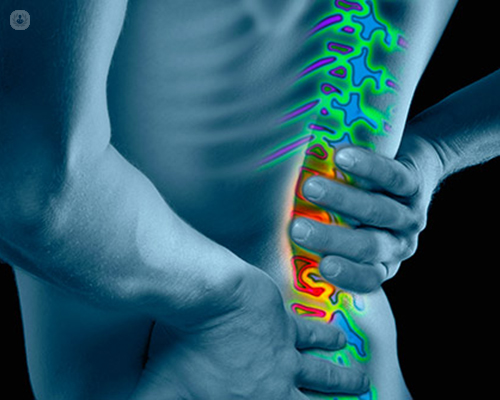
- Lower back pain
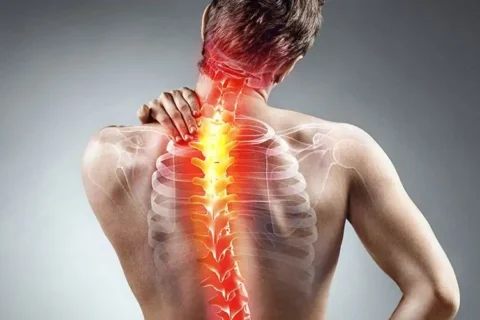
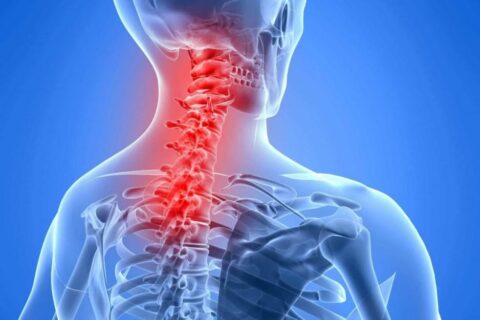
- Neck pain in cervical disc problems
- Pain travelling from the back into the leg or from the neck into the arm
- Sciatica-type symptoms
- Numbness or tingling
- Muscle weakness
- Difficulty standing or walking for extended periods
- Increased discomfort while bending, lifting or making certain movements
Some people have a herniated disc but no symptoms. But if discomfort persists, if weakening or changes in feeling are experienced, a Slip disc specialist in Delhi NCR should be consulted.
Causes of Slip Disc
Age-Related Disc Degeneration
With age, the discs in the spine can gradually lose moisture, flexibility and strength. This may make them more prone to damage and herniation.
Improper Lifting Techniques
Straining your back or using poor body mechanics to move large objects can place extra stress on the discs in your spine.
Sudden Injury or Trauma
Falls, accidents and other injuries can damage spinal discs. Disc herniation may be due to abrupt strain on the spine.
Poor Posture
Long durations of sitting or working in an uncomfortable position can create extra stress on the spine. Bad posture can cause back or neck pain, particularly if you don’t move about for long periods of time.
Lifestyle Factors
Certain lifestyle factors might increase the stress on the spine. These may be excess body weight, lack of regular physical activity and weak core muscles. Keeping a healthy weight and staying physically active can promote general spine health.
Diagnosis of Slip Disc
The physician will evaluate the symptoms and medical background and then conduct a physical exam to determine whether the imaging or nerve tests should be ordered.
Clinical Evaluation
The assessment could include a symptom review and the medical history, along with an examination that is physical and neurological. The physician will test reflexes, muscle strength, sensation, movement, and other factors indicative of involvement of the nerves.
Imaging Tests
MRI Scan
MRI’s can help show the discs, spinal nerves and surrounding soft tissues in detail. It is typically utilised when a clinician may need to check disc herniation and probable nerve compression.
X-Ray
An X-ray generally reveals bones and might assist in detecting alterations in the spinal structure or other issues that can be causing symptoms. It doesn’t reveal the soft disc material as well as an MRI would.
CT Scan
This is a thorough cross-sectional picture of the spine. It is usually considered when more information is needed regarding the structures of the spine.
Nerve Tests (EMG/NCS)
The doctor may propose electromyography and nerve conduction investigations when more information regarding nerve function or probable nerve injury is needed.
Slip Disc Treatment in Delhi
Slip Disc Treatment Delhi will rely on various aspects, such as the severity of the disc herniation, the degree of nerve compression, the duration of symptoms and the patient’s general condition.
Non-Surgical Treatment Options
Medications
Depending on the disease, you may be given drugs to assist manage pain and inflammation. The selection of medication forSlip Disc Treatment should be done by a skilled health care expert.
Physiotherapy
Physiotherapy can assist improve the flexibility, mobility and strength of the muscles supporting the spine. A physiotherapist might suggest workouts as per the condition of the patient.
Exercise and Rehabilitation
A systematic rehabilitation program may assist improve spinal stability and facilitate a gradual return to daily activities The exercises should be selected depending on the person’s symptoms and physical condition.
Lifestyle Modifications
Actions like maintaining proper posture, controlling body weight, and minimizing actions that exacerbate the condition can help with recovery without putting too much pressure on the back.
When Is Slip Disc Surgery Required?
Not all slide discs need surgery. Many patients will respond to suitable conservative therapy.
Slip Disc Surgery Delhi may be an option if symptoms do not improve with non-surgical treatment or if there is a considerable nerve compression. In addition to that, you might also require surgical assessment if there is progressive weakness in your arms and legs, increased problems in walking, or persistent crippling pain.
A serious nerve compression could lead to problems in controlling your bladder or bowel movements. This is considered as an emergency symptom and hence calls for immediate medical care.
Operative decision depends upon the clinical examination, imaging results, symptoms, and overall well-being of the individual.
Slip Disc Treatment Options
Minimally Invasive Spine Surgery
MIS minimizes trauma to the surrounding tissues with the use of small incisions in the process. The postoperative pain and recovery period can be minimized in comparison with other procedures due to the reduction of trauma to the surrounding tissues.
Endoscopic Spine Surgery
Endoscopic spine surgery is a technique where a small camera and specialised instruments are used to reach the afflicted area through a small incision. In appropriate circumstances the surgeon can remove the disc material that is compressing the nerve, while reducing injury to adjacent tissues.
Endoscopic surgery is appropriate only for certain locations of disc problems and certain types of disc problems.
Microdiscectomy
Microdiscectomy is the removal of the part of a herniated disc that is putting pressure on a nerve in the spine. It is frequently utilised for selected cases of lumbar disc herniation, especially when the symptoms are due to nerve compression.
Recovery After Slip Disc Treatment
Recovery is dependent on the extent of the illness, type of treatment performed and overall health of the patient. Non-surgical treatments will allow patients to resume their normal routine activities as they continue to recover from the pain and other symptoms.
The Slip Disc Doctor Delhi may suggest that the patient engage in rehabilitation and physical exercise after surgery. Good body positioning along with exercise recommended by the doctor helps maintain a healthy spine.
The patients should be warned against engaging in strenuous activities for some time. Rehabilitation and safe body movements can also help prevent excessive pressure on the spine.